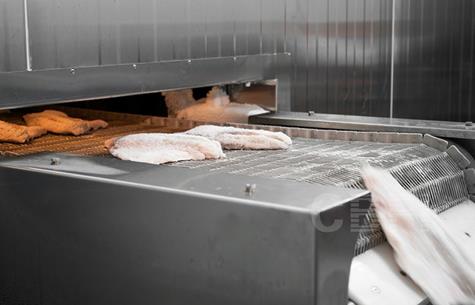
Discover the principles, benefits, and efficient freezing process of tunnel freezers for modern food production

The Principles and Benefits of Tunnel Freezers in Food Processing
As technology evolves rapidly and living standards continue to rise, there is an increasing demand for high-quality, better-tasting food. Quick freezing, an innovative food processing technique, has become essential in modern food production. Among the various freezing technologies, tunnel freezers stand out due to their superior efficiency, energy-saving features, and unique refrigeration principles. This article delves into the working mechanism of tunnel freezers and highlights the key advantages that make them an excellent choice for the food processing industry.

1. Key Components of a Tunnel Freezer
A tunnel freezer is made up of several critical components: the conveyor belt, evaporator, cooling system, and control system. The conveyor belt plays a crucial role in moving food through the freezing chamber. The evaporator, considered the core of the system, is responsible for absorbing heat from the food and lowering its temperature rapidly. The cooling system, typically incorporating refrigerants and cooling mechanisms, ensures that the evaporator maintains an optimal temperature for efficient freezing. Meanwhile, the control system manages the entire freezing process, ensuring smooth and continuous operation.

2. How Tunnel Freezers Work
1. Heat Absorption
The refrigeration cycle starts when food enters the tunnel freezer via the conveyor belt. As the food passes through the evaporator, moisture on its surface comes into contact with the heat exchanger, causing the heat from the food to transfer to the refrigerant. This results in a rapid decrease in the food’s temperature. Simultaneously, the refrigerant undergoes compression and expansion cycles within the evaporator, absorbing a significant amount of heat. This efficient heat transfer process cools the food to temperatures below -18°C, effectively freezing it.
2. Heat Transfer
Throughout the freezing process, the refrigerant absorbs the heat from the food and releases it into the surrounding environment. To maintain operational efficiency, the cooling system ensures the evaporator’s temperature remains within a specific range. This is typically achieved by circulating cold water or ice blocks around the evaporator to regulate the refrigerant’s temperature, optimizing the heat exchange process. Such precise control ensures a stable and effective freezing process.
3. Heat Discharge
Once the food reaches the target temperature of below -18°C, it is ready to exit the evaporator. The conveyor belt then transports the frozen food to the exit point, where it is generally packaged for storage or distribution. During this entire process, the refrigeration system operates seamlessly to ensure the food’s texture and quality are preserved through the freezing and packaging stages. This stable, continuous operation is crucial for maintaining high-quality products and efficient food production.

3. Benefits of Tunnel Freezers
When compared to traditional freezing and cold storage methods, tunnel freezers offer several advantages that make them a preferred choice for food processors:
1. High Freezing Efficiency
Tunnel freezers utilize advanced refrigeration technologies and optimized designs that make them significantly more efficient than traditional cold storage methods. This enhanced efficiency not only accelerates the freezing process but also reduces the energy consumption required for operation. As a result, businesses can lower their energy costs while ensuring high productivity levels.
2. Excellent Preservation
One of the standout features of tunnel freezers is their ability to freeze food quickly and effectively. Rapidly reducing the temperature to below -18°C helps inhibit the growth of bacteria and other microorganisms. This process preserves the flavor, texture, and nutritional value of food during storage. Additionally, the quick-freezing process prevents the formation of large ice crystals within the food, which can damage the texture and overall quality of the product.

3. Versatility Across Applications
Tunnel freezers are highly versatile and suitable for freezing a wide variety of food products, such as meats, vegetables, fruits, and ready-to-eat meals. They are also perfect for processing seafood, ice cream, and other specialty products. This flexibility makes tunnel freezers a valuable asset across multiple industries, ensuring they can meet the diverse freezing needs of the market.
In conclusion, tunnel freezers offer an innovative refrigeration process that, combined with their energy efficiency, excellent preservation capabilities, and broad applicability, makes them indispensable for modern food processing. Whether aiming to improve freezing efficiency, reduce energy costs, or preserve product quality, a tunnel freezer provides a reliable and cost-effective solution. As the demand for high-quality frozen food continues to grow, tunnel freezers will play a central role in meeting the evolving needs of the food industry.
CBFI Spiral Quick Freezing Systems offer high efficiency, versatile applications, and advanced technology for rapid food freezing.
Common Freeze Dryer Faults and Cold Storage Fault Code List
Related Article