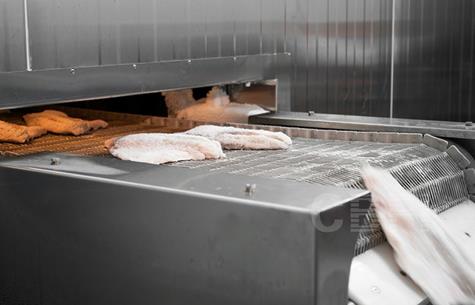
How to Solve Slow Freezing in Plate Freezers: Effective Fixes
How to Solve Slow Freezing in Plate Freezers: Effective Fixes
Plate freezers are essential equipment in many industries, offering quick freezing and energy efficiency for large-scale freezing operations. However, one common issue that many operators face is the slow freezing of products, which can disrupt operations and reduce productivity. If you're experiencing slow freezing in your plate freezer, it's crucial to diagnose the problem early and take the right steps to fix it. In this article, we will explore some proven solutions to address slow freezing in plate freezers and ensure they operate at peak performance.
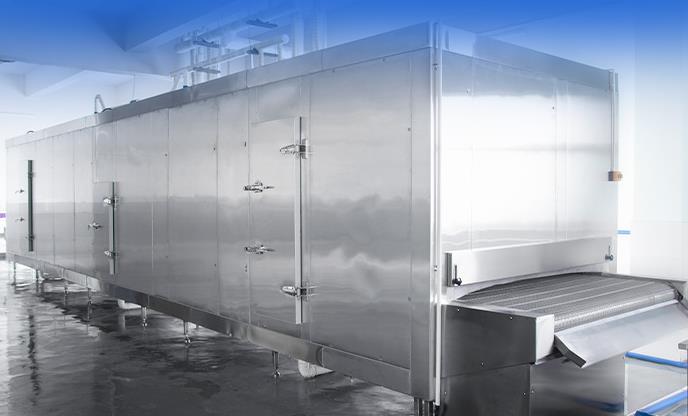
1. Verify the Power Supply and Voltage
One of the first things to check when your plate freezer is freezing slowly is the power supply. Power issues can significantly affect freezer performance. Follow these steps to ensure the freezer is receiving adequate power:
- Check the Power Connection: Confirm that the freezer is plugged into a reliable power source. Inspect the power cord for any visible damage, and replace it if necessary. A faulty power cord can disrupt the freezing process and cause delays.
- Ensure Voltage Stability: Inconsistent voltage can harm the efficiency of your freezer. If you notice any fluctuations in voltage, it's advisable to contact your power supplier for assistance. Consistent power is crucial for maintaining steady freezing conditions.
- Inspect the Contactor: The contactor is responsible for turning the freezer on and off. If it’s malfunctioning, it can lead to inadequate cooling. Replacing a faulty contactor is a quick fix that can restore optimal performance.
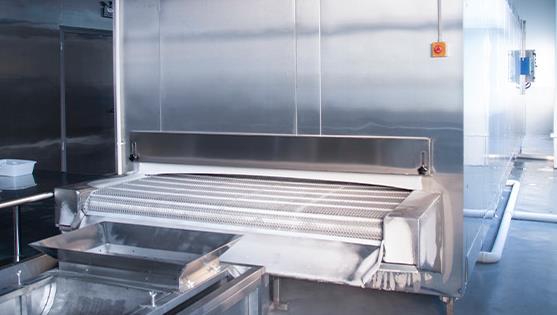
2. Regularly Clean the Heat Exchanger
The heat exchanger plays a key role in cooling the freezer. Over time, dust and dirt can accumulate, reducing its efficiency and leading to slower freezing times. Cleaning the heat exchanger can often solve this problem:
- Clean the Heat Exchanger: Regular cleaning is essential to maintain cooling efficiency. Use a soft cloth and mild soap to gently wipe down the surface of the heat exchanger. Avoid using harsh chemicals or abrasive materials, as they can damage the surface and reduce heat transfer.
- Enhance Heat Transfer: If cleaning alone doesn't improve performance, consider modifying the heat exchanger. Adding additional fins or increasing its surface area can help improve the dissipation of heat, enhancing the freezer’s cooling efficiency.
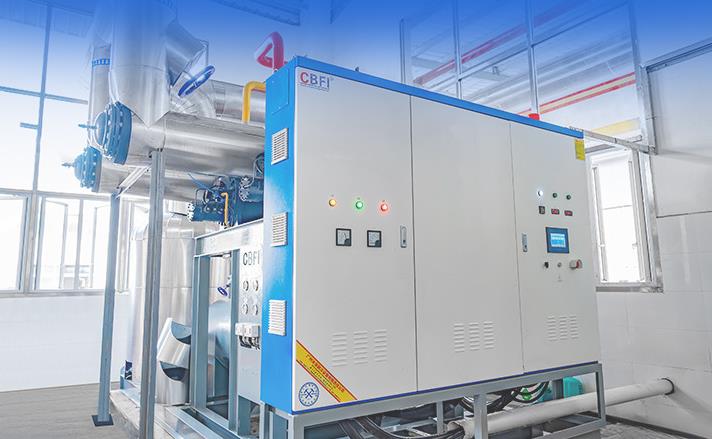
3. Adjust the Fan Speed for Optimal Airflow
The fan inside a plate freezer is critical for circulating air and ensuring proper heat exchange. If the fan speed is too low, airflow can be restricted, leading to slower freezing times. Here’s how to optimize fan performance:
- Check the Fan's Operation: Verify that the fan is working properly. If you notice that the fan is malfunctioning, repair or replace it as needed. A working fan is crucial to maintaining airflow and improving cooling efficiency.
- Adjust Fan Speed: Sometimes, simply adjusting the fan speed can improve freezing efficiency. Increasing the speed slightly can boost airflow and enhance freezing times. However, avoid setting the fan speed too high, as this may damage the motor or affect product quality.
4. Fine-Tune Freezing Parameters
Optimizing freezing parameters, such as temperature and freezing time, is crucial for achieving both fast and high-quality freezing results. Consider the following adjustments:
- Set the Right Freezing Temperature: Different products require different freezing temperatures. Generally, lower temperatures lead to longer freezing times, which can affect the quality of some items. It's important to find the ideal temperature setting based on the types of products you’re freezing.
- Use Multiple Freezers in Parallel: For businesses with high freezing demands, running multiple freezers in parallel can improve overall efficiency. This will help distribute the workload and prevent excessive strain on any single unit, resulting in more consistent freezing times.
5. Implement Regular Maintenance
Preventative maintenance is one of the most effective ways to avoid slow freezing problems in plate freezers. Regular checks and servicing can help extend the lifespan of the freezer and prevent common issues that lead to slow freezing:
- Routine Inspections: Conduct regular inspections of key components such as the compressor, condenser, and evaporator. Early detection of problems such as refrigerant leaks or damaged parts can prevent costly breakdowns and performance issues.
- Replace Worn-Out Parts: Over time, parts like fans, heating tubes, and seals can wear out. Replace these consumables regularly to maintain the efficiency of the freezer. Preventive maintenance helps ensure that your freezer runs smoothly for longer periods without interruptions.
Conclusion
In summary, if you’re dealing with a plate freezer that freezes slowly, taking a systematic approach to identify and fix the issue is essential. By checking the power supply, cleaning the heat exchanger, adjusting fan speed, fine-tuning freezing parameters, and performing regular maintenance, you can ensure that your freezer operates efficiently and consistently. These steps not only fix slow freezing issues but also improve the overall performance, lifespan, and reliability of your equipment, which ultimately leads to better product quality and enhanced business operations.
Investing in regular upkeep of your plate freezer will save you time and money in the long run, ensuring smooth and efficient freezing operations for your business.
Understanding the Causes of High Pressure Alarms in Refrigeration Machines and How to Resolve Them
Is Operating a Quick Freezer Difficult? Learn the Process and Tips
Related Article