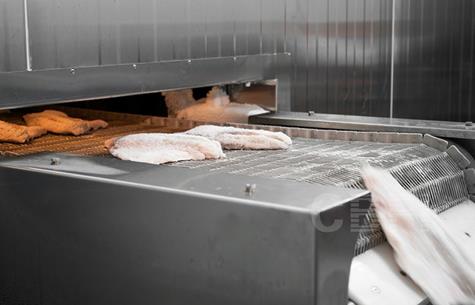
What Will Make Quick Freezer Uneven Freezing
author: TEST
2024-11-26
Quick freezers are an essential tool for preserving food, ensuring that it stays fresh for longer periods. However, one common issue that many people face is uneven freezing, where certain parts of the freezer freeze food faster than others. This can lead to improperly frozen items, inconsistent textures, and potential food waste. So, what causes this problem, and more importantly, how can you fix it? Now we will take us to find out the causes of uneven freezing in quick freezers and provide practical solutions to get your freezer working efficiently again.
What Is Uneven Freezing?
Uneven freezing occurs when some areas of your freezer are colder than others, causing some food to freeze properly while other items remain partially thawed. You might notice that certain foods are solidly frozen, while others feel soft or slushy. This can affect the texture and quality of the food, and if left unchecked, it can also impact the energy efficiency of the freezer.
Now, let's look at the possible reasons why your freezer might be freezing unevenly—and more importantly, what you can do about it.
What Causes of Uneven Freezing in Quick Freezers
1. Improper Air Circulation: One of the most common reasons for uneven freezing is poor air circulation. Quick freezers rely on air flowing evenly throughout the compartment to ensure all items freeze at the same rate. If you block vents by overloading the freezer or placing items too close together, it can prevent air from circulating properly, leading to cold spots and uneven freezing.
2. Overloading the Freezer: You might be tempted to cram as much food as possible into your freezer, especially when you find yourself with extra items. However, overloading can significantly hinder proper air flow. When there’s too much in the freezer, cold air can’t move freely, and certain areas of the freezer might not be as cold, resulting in uneven freezing.
3. Thermostat Issues: A faulty thermostat can cause uneven freezing by making some areas colder than others. If the thermostat isn’t properly calibrated or is malfunctioning, the freezer may cycle through cooling too much in one part of the freezer while leaving other sections warmer.
4. Broken Freezer Door Seal: The door seal is essential for keeping the cold air in and the warm air out. If the seal is cracked, worn, or doesn’t close properly, warm air can seep in. This can lead to temperature fluctuations and cause some areas of the freezer to freeze unevenly.
5. Inconsistent Temperature Settings: If the freezer temperature is set too high or too low, it can lead to uneven freezing. Most freezers should be set to around -18°C or 0°F, and if the temperature isn’t maintained properly, certain areas might not freeze food as effectively as others.
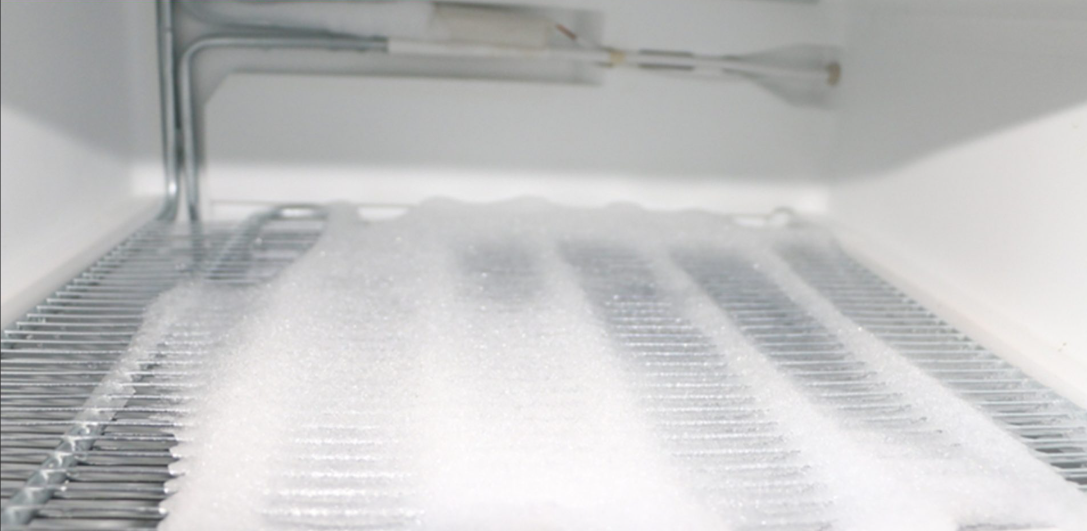
6. Infrequent Defrosting: Frost-free models generally prevent ice buildup, but when the freezer isn’t defrosted regularly, it can cause ice buildup around the cooling coils. This obstructs airflow and leads to poor freezing performance in certain areas. Even manual defrost freezers can face uneven freezing if the ice isn’t cleared out.
7. Dirty or Faulty Freezer Coils: If the evaporator coils or condenser coils are dirty or malfunctioning, the freezer won’t cool efficiently. Dust, dirt, or damage can block the heat exchange process, making some parts of the freezer too warm and others too cold.
How to Fixing Uneven Freezing
1. Ensure Proper Airflow: To solve the issue of poor air circulation, it’s essential to arrange food properly in the freezer. Leave space between items to allow cold air to circulate evenly. Don’t overstuff the freezer—if necessary, use freezer baskets or dividers to organize items and avoid blocking the air vents.
2. Don’t Overload the Freezer: Resist the urge to cram everything into the freezer at once. Instead, focus on keeping the freezer at around 75-80% full to ensure adequate airflow while still utilizing space efficiently. Giving the cold air room to circulate will help your freezer run more effectively.
3. Check and Calibrate the Thermostat: If the thermostat isn’t working properly, it could be leading to uneven freezing. Check the thermostat settings and ensure that they are calibrated correctly. Most freezers should be kept at -18°C (0°F) for optimal freezing. If you suspect that the thermostat is broken or malfunctioning, it may be time to replace it.
4. Inspect the Door Seal: If warm air is seeping in through the door seal, it can mess with the freezing process. Inspect the door seal for cracks or gaps, and replace it if needed. To check, close the door on a piece of paper and try to pull it out—if it slides out easily, the seal isn’t tight enough.
5. Adjust Temperature Settings: Incorrect temperature settings can cause uneven freezing, so ensure the freezer is set to the right temperature. For most freezers, -18°C or 0°F is the sweet spot. If your freezer’s temperature is fluctuating, try adjusting the settings or consult the manual for the correct temperature range.
6. Regularly Defrost the Freezer: If you have a manual defrost freezer, make sure to defrost it regularly. Allowing ice to build up can impede airflow and contribute to uneven freezing. If you have a frost-free model, check that the automatic defrost function is working properly.
7. Clean and Maintain Freezer Coils: Over time, dust and dirt can accumulate on the condenser coils and evaporator coils. This reduces the freezer’s efficiency and can cause uneven freezing. To clean the coils, unplug the freezer and gently wipe them down with a soft cloth. Ideally, do this every 6–12 months to keep the freezer running at peak efficiency.
Preventative Measures to Keep Freezer Freezing Evenly
1. Routine Temperature Checks: It’s a good idea to check the freezer’s temperature regularly with a freezer thermometer. This will help you monitor whether the freezer is staying at the optimal temperature, which is typically -18°C (0°F).
2. Proper Organization: Organizing the contents of your freezer can prevent overcrowding and ensure proper airflow. Keep heavier items toward the bottom and lighter items near the top to encourage even freezing. Also, use dividers or baskets to create compartments for easy access and organization.
3. Don’t Ignore Freezer Maintenance: Regular maintenance can go a long way in preventing issues with freezing. This includes things like cleaning the coils, checking the door seal, and defrosting the freezer when necessary. Small fixes before they become big problems will help maintain consistent freezing.
When to Call a Professional?
If you’ve tried all of the above solutions and your freezer is still freezing unevenly, it might be time to call in a professional. Here’s when to get expert help:
- Persistent Temperature Issues: If the freezer temperature keeps fluctuating despite adjustments, a technician can help check the thermostat and internal components.
- Compressor or Coil Problems: If the compressor or coils are malfunctioning, it’s best to call a professional to inspect and repair or replace these crucial components.
- Issues with Auto-Defrost: If your frost-free freezer isn’t defrosting properly, leading to ice buildup, a technician can assess and fix the defrost system.
- Persistent Temperature Issues: If the freezer temperature keeps fluctuating despite adjustments, a technician can help check the thermostat and internal components.
- Compressor or Coil Problems: If the compressor or coils are malfunctioning, it’s best to call a professional to inspect and repair or replace these crucial components.
- Issues with Auto-Defrost: If your frost-free freezer isn’t defrosting properly, leading to ice buildup, a technician can assess and fix the defrost system.
Uneven freezing in quick freezers is a common problem, but it’s one that can usually be solved with some simple adjustments. Ensuring proper airflow, avoiding overloading the freezer, checking the thermostat and door seal, and performing regular maintenance can go a long way in improving your freezer’s performance. If all else fails, don’t hesitate to call a professional to troubleshoot more serious issues.
By keeping your freezer in tip-top shape, you can enjoy better food preservation, save energy, and avoid the frustration of unevenly frozen food.
Seasonal Tips for Freezer Maintenance
Your freezer’s performance can vary depending on the seasonal changes in temperature and usage. Being aware of these fluctuations and adjusting your freezer maintenance routine accordingly can help ensure that your freezer operates at its best throughout the year. Here are some seasonal tips for freezer maintenance:
Winter Keeping Your Freezer Running Smoothly
In colder months, your freezer might perform better due to the external cooler air, especially if it’s placed in a garage or unheated space. However, this can also present a few challenges:
1. Watch Out for Freezer Overworking
While external temperatures drop, your freezer may struggle to maintain a consistent internal temperature if it’s in a garage or basement. The lower ambient temperature can cause the freezer to work harder, as it has to balance the temperature difference between the inside and outside. This might lead to over-freezing in some areas or poor temperature regulation.
While external temperatures drop, your freezer may struggle to maintain a consistent internal temperature if it’s in a garage or basement. The lower ambient temperature can cause the freezer to work harder, as it has to balance the temperature difference between the inside and outside. This might lead to over-freezing in some areas or poor temperature regulation.
Solution:
- If your freezer is in a very cold environment, consider moving it to a more temperate location or insulate the space around it to maintain a consistent internal temperature.
- Check temperature settings: Ensure that your freezer is still set to the recommended -18°C (0°F), as colder outside temperatures might make it harder for the freezer to maintain its optimal temperature.
- If your freezer is in a very cold environment, consider moving it to a more temperate location or insulate the space around it to maintain a consistent internal temperature.
- Check temperature settings: Ensure that your freezer is still set to the recommended -18°C (0°F), as colder outside temperatures might make it harder for the freezer to maintain its optimal temperature.
2. Preventing Frost Build-up
During the winter months, frost build-up may not be as noticeable, but it can still occur in manual-defrost freezers, especially if the door isn’t closed properly. Even frost-free freezers can accumulate frost around vents or coils if the system isn’t functioning correctly.
During the winter months, frost build-up may not be as noticeable, but it can still occur in manual-defrost freezers, especially if the door isn’t closed properly. Even frost-free freezers can accumulate frost around vents or coils if the system isn’t functioning correctly.
Solution:
- Regularly check for frost build-up and defrost the freezer if necessary to prevent airflow obstruction.
- Ensure that the freezer door seal is intact, as even small gaps can cause air leakage, leading to frost or uneven freezing.
- Regularly check for frost build-up and defrost the freezer if necessary to prevent airflow obstruction.
- Ensure that the freezer door seal is intact, as even small gaps can cause air leakage, leading to frost or uneven freezing.
Summer Optimizing Freezer Efficiency
Summer heat can put a strain on your freezer, especially if it’s located in an area that is subject to high temperatures, like a garage or porch. The heat can cause your freezer to work harder, which may lead to energy inefficiency or uneven freezing.
1. Energy Efficiency in High Heat
In summer, freezers can consume more energy due to higher surrounding temperatures. The freezer compressor has to work overtime to keep the inside cool. This can lead to increased energy bills and possible wear and tear on the appliance.
In summer, freezers can consume more energy due to higher surrounding temperatures. The freezer compressor has to work overtime to keep the inside cool. This can lead to increased energy bills and possible wear and tear on the appliance.
Solution:
- Place the freezer in a cool, shaded area away from direct sunlight or heat sources like ovens or radiators.
- Keep the freezer full but not overloaded: A full freezer maintains its temperature better because the frozen items help keep each other cold, but overloading it restricts airflow.
- If you’re storing a lot of perishable food over the summer, be mindful of how much you place in the freezer at once—especially after grocery shopping.
- Place the freezer in a cool, shaded area away from direct sunlight or heat sources like ovens or radiators.
- Keep the freezer full but not overloaded: A full freezer maintains its temperature better because the frozen items help keep each other cold, but overloading it restricts airflow.
- If you’re storing a lot of perishable food over the summer, be mindful of how much you place in the freezer at once—especially after grocery shopping.
2. Preventing Freezer Burn
In summer, freezer burn is a common problem because the freezer door is often opened more frequently, allowing warm air to enter and moisture to escape. This can cause food to dry out and lose quality, resulting in freezer burn.
In summer, freezer burn is a common problem because the freezer door is often opened more frequently, allowing warm air to enter and moisture to escape. This can cause food to dry out and lose quality, resulting in freezer burn.
Solution:
- Store food in airtight containers or vacuum-sealed bags to preserve freshness and prevent freezer burn.
- Limit the time the freezer door is open by organizing food items and grouping similar items together so you don’t have to rummage around for too long.
- Store food in airtight containers or vacuum-sealed bags to preserve freshness and prevent freezer burn.
- Limit the time the freezer door is open by organizing food items and grouping similar items together so you don’t have to rummage around for too long.
3. Ensure Proper Door Seal
The freezer door seal can become worn out over time, and the warmer summer temperatures might exacerbate any issues with the seal. Warm air entering the freezer can prevent even freezing, causing uneven temperatures and potential spoilage.
The freezer door seal can become worn out over time, and the warmer summer temperatures might exacerbate any issues with the seal. Warm air entering the freezer can prevent even freezing, causing uneven temperatures and potential spoilage.
Solution:
- Inspect the door seal regularly for any cracks or tears, particularly during the summer months when the freezer is working harder to keep cool.
- Perform the paper test: Close a piece of paper in the door. If you can pull it out easily, it might be time to replace the seal.
- Inspect the door seal regularly for any cracks or tears, particularly during the summer months when the freezer is working harder to keep cool.
- Perform the paper test: Close a piece of paper in the door. If you can pull it out easily, it might be time to replace the seal.
Spring and Fall Maintenance Transitional Periods for Your Freezer
During the transitional periods of spring and fall, the moderate weather can actually be the ideal time to focus on preventive maintenance before the extremes of summer or winter set in. These seasons are perfect for giving your freezer some attention and ensuring it runs smoothly throughout the year.
1. Spring Cleaning for Your Freezer
After a long winter, take the time to give your freezer a thorough cleaning. Remove any lingering items that have been in the freezer too long or have been improperly frozen, and clear out any frost or ice buildup that may have accumulated.
After a long winter, take the time to give your freezer a thorough cleaning. Remove any lingering items that have been in the freezer too long or have been improperly frozen, and clear out any frost or ice buildup that may have accumulated.
Solution:
- Defrost and clean the freezer: This is a great opportunity to clean the interior with a mild soap and warm water solution. Wipe down the walls, shelves, and coils to ensure there is no dirt or debris that could affect the performance.
- Check the condenser coils: Dust and dirt can accumulate over time, which can reduce efficiency. Clean the coils with a soft brush or vacuum to ensure your freezer is running efficiently.
- Defrost and clean the freezer: This is a great opportunity to clean the interior with a mild soap and warm water solution. Wipe down the walls, shelves, and coils to ensure there is no dirt or debris that could affect the performance.
- Check the condenser coils: Dust and dirt can accumulate over time, which can reduce efficiency. Clean the coils with a soft brush or vacuum to ensure your freezer is running efficiently.
2. Check Seals and Gaskets
The transition between seasons is a good time to check that your door seals and gaskets are still in good condition. Warm temperatures and fluctuating humidity can wear them down over time.
The transition between seasons is a good time to check that your door seals and gaskets are still in good condition. Warm temperatures and fluctuating humidity can wear them down over time.
Solution:
- Inspect the seals for any signs of wear or gaps.
- Clean the seals to remove dirt or food particles that may prevent a proper seal.
- Replace any faulty seals to ensure energy efficiency.
- Inspect the seals for any signs of wear or gaps.
- Clean the seals to remove dirt or food particles that may prevent a proper seal.
- Replace any faulty seals to ensure energy efficiency.
3. Check Temperature Settings
As the temperature outside shifts, your freezer may need some minor adjustments to keep operating at optimal levels.
As the temperature outside shifts, your freezer may need some minor adjustments to keep operating at optimal levels.
Solution:
- Use a freezer thermometer to ensure that the internal temperature remains constant at -18°C (0°F) during all seasons.
- Make sure that your freezer’s thermostat is functioning properly and adjust it if needed to compensate for changes in outside temperature.
- Use a freezer thermometer to ensure that the internal temperature remains constant at -18°C (0°F) during all seasons.
- Make sure that your freezer’s thermostat is functioning properly and adjust it if needed to compensate for changes in outside temperature.
Final Tip Consider Professional Servicing for Seasonal Checks
If you’re unsure about performing maintenance or suspect a bigger problem with your freezer, consider scheduling a professional service for routine maintenance. Freezer technicians can thoroughly inspect the appliance, identify any hidden issues, and ensure everything is working correctly before the summer or winter seasons cause extra strain on the system.
Other FAQs about Freezer
1. How can I tell if my freezer is freezing unevenly?
- You’ll notice that some foods are frozen solid while others are soft or slushy. Frost buildup or ice crystals on food can also be a sign.
- You’ll notice that some foods are frozen solid while others are soft or slushy. Frost buildup or ice crystals on food can also be a sign.
2. Can I fix uneven freezing by adjusting the freezer temperature?
- Yes, adjusting the temperature to -18°C (0°F) and ensuring the thermostat is working properly can help even out the freezing process.
- Yes, adjusting the temperature to -18°C (0°F) and ensuring the thermostat is working properly can help even out the freezing process.
3. How often should I clean my freezer coils?
- Aim to clean the condenser coils every 6–12 months, or more often if you notice that the freezer is not cooling properly.
- Aim to clean the condenser coils every 6–12 months, or more often if you notice that the freezer is not cooling properly.
4. Is it okay to overload my freezer?
- Overloading the freezer can restrict airflow and cause uneven freezing, so it’s best to avoid cramming too much in at once.
- Overloading the freezer can restrict airflow and cause uneven freezing, so it’s best to avoid cramming too much in at once.
Quick Freezer Temperature Problems Why They Happen and How to Fix Them
Quick Freezer Uneven Freezing Causes & Solutions
Related Article

Explore the key factors influencing the cost of a frozen dumpling production line, including production capacity, automation, and after-sales service.
Factors Influencing the Cost of Frozen Dumpling Production Lines