Quick Freezer Temperature Problems Why They Happen and How to Fix Them
author: TEST
2024-11-27
When you rely on a quick freezer to keep things cold—whether it's for food, medical supplies, or any other sensitive products—the last thing you want is a temperature problem. Quick freezers are designed to freeze items fast and keep them at a stable temperature, but if something goes wrong, it can cause a lot of frustration.
What Is a Quick Freezer?
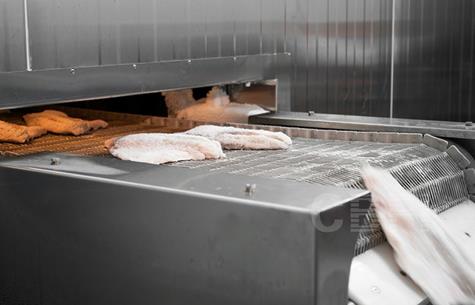
Quick freezers, also known as blast freezers, are designed to rapidly freeze items, typically at very low temperatures (as low as -20°F or colder). Unlike regular freezers, which freeze things slowly, quick freezers are built to freeze large amounts of food, medical supplies, or other items quickly, usually within a matter of hours.
Why does this matter? Well, when temperatures fluctuate in a quick freezer, it can impact the quality of your frozen goods, cause spoilage, or even lead to full freezer breakdowns. So, it’s important to catch any temperature issues early on!
What Causes Persistent Temperature Problems?
If your quick freezer isn’t keeping things as cold as it should, there are several potential causes. Here are some of the most common ones:
1. Leaky Door Seals: If the seal around the freezer door isn’t tight, warm air can sneak in every time you open it. This makes it harder for the freezer to stay cold, leading to temperature fluctuations. Even a small crack in the seal or dirt buildup can cause a problem.
2. Dirty Condenser Coils: Condenser coils play a huge role in your freezer’s ability to keep things cold. When they get dirty (dust, grease, or food particles can collect), they don’t work as efficiently. This means the freezer has to work harder to maintain the right temperature, which can cause temperature inconsistencies.
3. Broken Thermostat or Sensor: The thermostat is what tells your freezer what temperature to aim for. If it’s malfunctioning, the freezer may not be reaching the right temperature or could constantly cycle on and off.
4. Overloading the Freezer: While it might seem like a good idea to pack the freezer to the brim, it can actually cause problems. If the freezer is too full, air can’t circulate properly, leading to uneven freezing and temperature fluctuations.
5. Problems with the Defrosting System: Most freezers have a defrosting system that keeps frost from building up inside. If that system fails, you’ll end up with too much frost, which can block cold air from circulating and prevent the freezer from staying at the right temperature.
6. Power Supply Issues: Fluctuating power or surges can affect your freezer’s performance. If your freezer isn’t getting a steady supply of electricity, it might not be able to keep things cold properly, resulting in temperature issues.
7. Refrigerant Leaks: If your freezer’s refrigerant is leaking, it won’t be able to cool things down as effectively. This is a serious problem that requires professional help to repair.
How to Spot Temperature Problems in Your Freezer
There are a few signs that your quick freezer might be struggling with temperature issues. Here’s what to look for:
1. Things Aren’t Freezing Properly: If your freezer is taking longer than usual to freeze food, or if things are only partially frozen, there’s definitely an issue with the temperature.
2. Frost Build-Up: A little frost is normal, but if you notice a lot of frost building up, especially on the coils, it’s usually a sign of a malfunctioning defrost system or blocked airflow.
3. The Compressor is Running Non-Stop: If the compressor (the motor that keeps the freezer cool) is constantly running, it could mean the freezer is struggling to maintain the right temperature.
4. Frequent On-Off Cycling: Freezers should run steadily, but if your freezer is constantly cycling on and off, it could be a sign of an electrical issue, a faulty thermostat, or something else that’s preventing it from reaching and maintaining a steady temperature.
5. Higher Energy Bills: If your freezer is having trouble maintaining a consistent temperature, it will likely run more than usual, which can cause your energy bill to skyrocket.
Troubleshooting Common Quick Freezer Temperature Issues
Before you call a repair technician, there are a few things you can check yourself to see if you can solve the problem. Here’s how to troubleshoot some common issues:
1. Check the Door Seal: Open the door and check the seal around the edges. If it’s cracked, torn, or dirty, warm air could be entering the freezer, causing temperature issues. Clean the seal with warm, soapy water to remove dirt. If it’s damaged, you’ll need to replace it.
2. Clean the Condenser Coils: Dirty coils can seriously impact your freezer’s performance. Unplug the freezer, and use a vacuum or coil brush to gently clean the coils. This will help the freezer expel heat more effectively and improve cooling efficiency.
3. Test the Thermostat: If your freezer isn’t reaching the right temperature, the thermostat might be faulty. Use a thermometer to check the actual temperature inside the freezer and compare it to the setting. If they don’t match, the thermostat could be off and may need replacement.
4. Avoid Overloading: If you’ve packed your freezer too full, it might be time to take a step back. Give your freezer some breathing room so air can circulate properly, and it can freeze items more evenly.
5. Check the Defrost System: Frost buildup inside the freezer is a red flag that the defrost system isn’t working properly. Check for signs of excessive frost and consider defrosting the freezer manually. If the problem persists, the defrost system might need a professional repair.
6. Check the Power Supply: Make sure the freezer is plugged into a stable power source and that there are no issues with the circuit breaker. If the power supply is inconsistent, that could be causing your temperature problems.
7. Call a Professional for Refrigerant Leaks: If you suspect a refrigerant leak, it’s time to call in a professional. Leaks can be tricky to spot and can cause serious problems, so it’s best to have an expert take a look.
Tips to Prevent Temperature Issues
Once you’ve fixed the immediate issue, it’s important to keep your freezer in good condition so that temperature problems don’t happen again. Here are a few simple tips:
- Clean the Coils Regularly: Every 6-12 months, clean the coils to keep the freezer running efficiently.
- Monitor the Temperature: Use a thermometer to check the temperature every so often to ensure it’s staying consistent.
- Avoid Overloading: Keep the freezer at a reasonable capacity so that air can circulate properly.
- Regularly Inspect the Seal and Defrost System: Take the time to check the door seal, gasket, and defrost system to catch small problems before they become bigger ones.
- Keep It Well-Ventilated: Make sure the freezer has enough space around it to allow for proper airflow.
- Monitor the Temperature: Use a thermometer to check the temperature every so often to ensure it’s staying consistent.
- Avoid Overloading: Keep the freezer at a reasonable capacity so that air can circulate properly.
- Regularly Inspect the Seal and Defrost System: Take the time to check the door seal, gasket, and defrost system to catch small problems before they become bigger ones.
- Keep It Well-Ventilated: Make sure the freezer has enough space around it to allow for proper airflow.
When to Call a Professional Technician
If you’ve checked all the basics and the freezer is still having trouble, it might be time to call a technician. Issues like refrigerant leaks, compressor problems, or malfunctioning electrical components require professional help to repair. It’s best to address these issues early to avoid costly repairs or damage to your freezer.
Frequently Asked Questions (FAQs)
1. Why is my quick freezer not freezing properly?
- This could be due to a door seal issue, dirty condenser coils, or a malfunctioning thermostat. Start by troubleshooting these areas.
- This could be due to a door seal issue, dirty condenser coils, or a malfunctioning thermostat. Start by troubleshooting these areas.
2. How often should I clean the condenser coils?
- Clean the coils at least every 6 months, but if your freezer is in a high-use area (like a restaurant), you might want to do it more frequently.
- Clean the coils at least every 6 months, but if your freezer is in a high-use area (like a restaurant), you might want to do it more frequently.
3. Can I overload my freezer?
- It’s best not to. Overloading the freezer blocks airflow, which can lead to temperature problems. Make sure there’s space between items for proper cooling.
- It’s best not to. Overloading the freezer blocks airflow, which can lead to temperature problems. Make sure there’s space between items for proper cooling.
4. What should I do if my freezer is leaking refrigerant?
- If you think there’s a refrigerant leak, it’s time to call a professional. They’ll have the right tools to handle it safely.
- If you think there’s a refrigerant leak, it’s time to call a professional. They’ll have the right tools to handle it safely.
This version of the article is written in a more approachable and friendly tone while still offering the necessary technical details. It’s meant to make the reader feel like they’re getting useful advice from someone they can trust, with a clear focus on practical steps they can take.
Tunnel Freezer Solutions: How to Choose an Efficient Squid Freezing Machine
What Will Make Quick Freezer Uneven Freezing
Related Article

Explore the key factors influencing the cost of a frozen dumpling production line, including production capacity, automation, and after-sales service.
Factors Influencing the Cost of Frozen Dumpling Production Lines