How to Estimate the Cost of Purchasing a Quick Freezer
How to Estimate the Cost of Purchasing a Quick Freezer
Quick freezers play a crucial role in the modern food processing sector. Whether in a small restaurant or a large food production facility, these freezers maintain food quality and extend shelf life. Understanding the cost involved in purchasing a quick freezer is key for budgeting and making informed investment decisions for any business.
Different Types of Quick Freezers and Their Price Ranges
Before buying a quick freezer, it is important to understand the various types and their associated price ranges. Quick freezers are typically categorized into the following types:
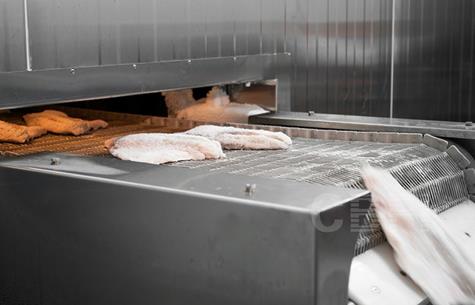
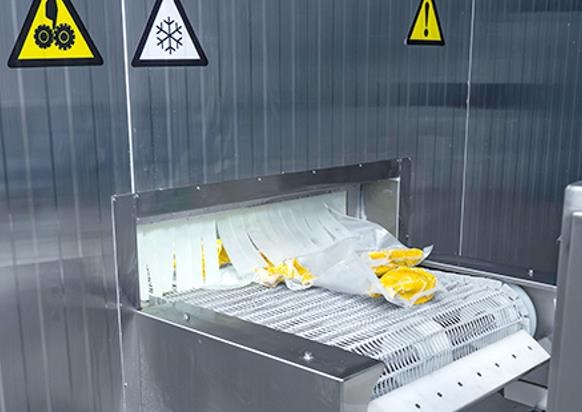
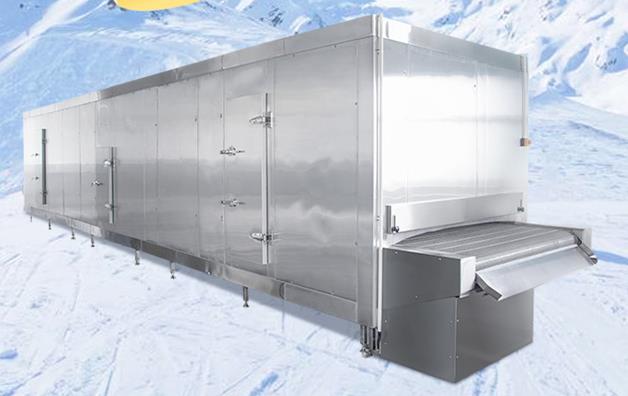
- Tunnel Freezer: Ideal for large-scale food processing with the ability to run continuously. Prices usually vary from hundreds of thousands to millions of RMB, depending on factors like production capacity, brand reputation, and technology features.
- Horizontal Freezer: Suitable for smaller food items such as tofu and seafood, these freezers come at a relatively lower cost. Prices typically range from tens of thousands to over a hundred thousand RMB.
- Vertical Freezer: Commonly used in supermarkets or small restaurants, these freezers have a price range from 10,000 to 50,000 RMB, making them a good choice for small and medium-sized businesses.
Once you understand the different types, businesses can choose the most suitable freezer based on their specific needs and budget.
Factors Affecting the Cost of a Quick Freezer
- Brand and Model: Well-established brands often come with higher prices, but they offer guaranteed quality and better after-sales service. New or lesser-known brands may provide more competitive prices, but their quality should be evaluated carefully.
- Production Capacity and Features: The size and capabilities of the quick freezer directly influence its price. Higher capacity freezers are usually more expensive, but they offer better production efficiency.
- Advanced Features and Technology: Some quick freezers come with automated control systems, energy-saving technology, and other advanced features. These enhancements raise the initial purchase cost but can offer long-term savings through improved operational efficiency and reduced running costs.
- Purchase Source: The price can vary greatly depending on where the freezer is purchased. Buying directly from the manufacturer, through an agent, or online can influence the final cost.
- Maintenance and Long-Term Operating Costs: When calculating the purchase price, don’t forget to factor in ongoing maintenance and operating costs such as energy consumption, labor, and maintenance fees. These can significantly impact the overall return on investment.
By considering these factors carefully, businesses can gain a full understanding of the costs involved in purchasing a quick freezer and set a realistic procurement budget.
Frequently Asked Questions
How to Control the Operating Costs of a Quick Freezer?
Operating a quick freezer incurs costs for electricity and maintenance. To control these expenses, opt for energy-efficient models, schedule regular maintenance, and ensure optimal performance. Additionally, optimizing production schedules and avoiding off-peak hours can help reduce energy consumption.

How to Choose the Right Type of Quick Freezer?
Choosing the appropriate type of freezer depends on factors such as production scale, food types being processed, and available budget. Small and medium-sized businesses should consider horizontal or vertical freezers, while large-scale food producers should look at tunnel freezers to meet high-volume demands.
What Are the Maintenance and Care Tips for Quick Freezers?
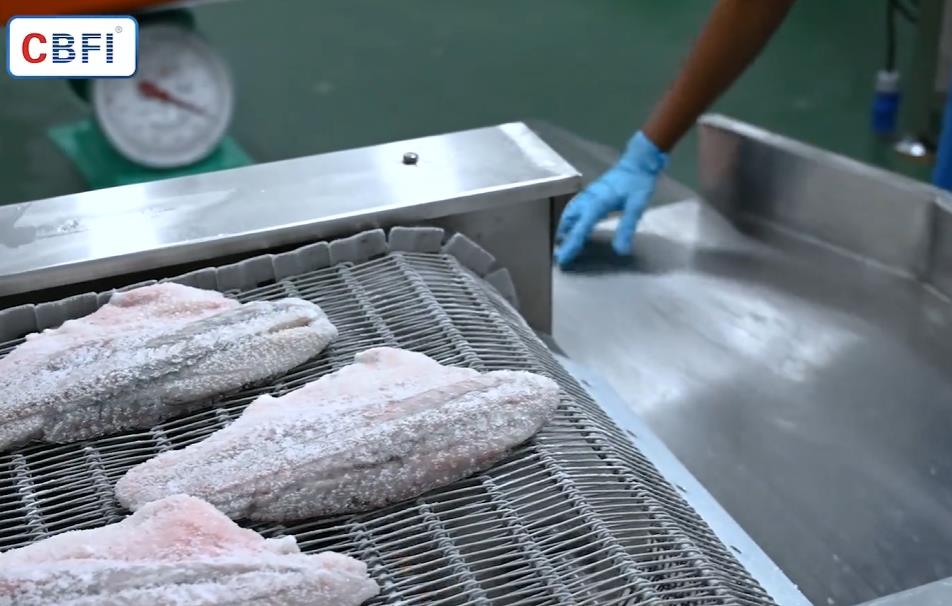
Regular maintenance is essential for the longevity of quick freezers. This includes cleaning, refrigerant checks, and ensuring the equipment is functioning properly. Operators should conduct daily inspections and address any issues immediately by contacting maintenance personnel.
What Is the Typical Lifespan of a Quick Freezer?
The average lifespan of a quick freezer ranges from 10 to 20 years, depending on factors like brand, frequency of use, and maintenance. Regular upkeep can extend its life and minimize failure rates.
Understanding the Air Blast Freezing Process and Tunnel Freezers
Quick Freezers for Vegetables: Enhance Food Quality & Efficiency
Related Article