Common Freeze Dryer Faults and Cold Storage Fault Code List
Common Freeze Dryer Faults and Cold Storage Fault Code List
In modern industrial production, freeze dryers play a critical role. However, like any complex mechanical equipment, they are prone to various faults. These faults not only impact production efficiency but can also have a significant effect on the overall operation of the business. To help you better understand and resolve these issues, I have compiled a comprehensive list of common freeze dryer faults and cold storage fault codes. I hope this will serve as a useful reference and assist in troubleshooting.
1. Common Freeze Dryer Faults
1.1. Refrigeration System Failure
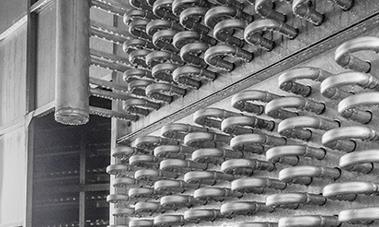
The refrigeration system is the core component of a freeze dryer. Common faults include refrigerant leaks, compressor malfunctions, and condenser blockages. These faults can result in reduced cooling efficiency or even complete system failure.
1.2. Electrical System Failure
The electrical system is responsible for powering and controlling the freeze dryer. Common electrical faults include power supply issues, motor failures, and sensor malfunctions. These faults can cause the machine to fail to start or operate inconsistently.
1.3. Control System Failure
The control system monitors and regulates the freeze dryer's operating conditions. Common faults in the control system include controller failures, sensor issues, and communication errors. These faults can prevent the machine from functioning normally or fail to achieve the desired control outcomes.
2. Cold Storage Fault Code List
To more accurately diagnose and address freeze dryer issues, it is important to understand and familiarize yourself with related fault codes. Below is a list of common cold storage fault codes and their meanings:
2.1. E01: Refrigerant Leak
This fault code indicates a refrigerant system leak. This could be due to loose pipe joints, aging seals, or ruptured refrigerant pipes. To resolve this, the leak should be located and repaired, followed by a refrigerant recharge.
2.2. E02: Compressor Failure
This fault code indicates an issue with the compressor. Causes may include motor failure, internal component wear, or overheating of the compressor. To resolve this, the faulty compressor should either be replaced or repaired.
2.3. E03: Condenser Blockage
This fault code indicates a blockage in the condenser. This can occur due to the accumulation of dust, dirt, or other impurities on the condenser. To resolve this, the condenser should be cleaned to ensure its surface is clear and smooth.
2.4. E04: Power Supply Failure
This fault code indicates a problem with the power supply system. Possible causes include faulty power lines, a damaged power switch, or loose power plugs. To fix this, the power lines should be inspected, and any damaged components, such as the power switch, should be repaired or replaced.
2.5. E05: Sensor Failure
This fault code indicates an issue with the sensor. This could be due to a damaged sensor, a faulty sensor wire, or communication issues between the sensor and the controller. To resolve this, the faulty sensor should be replaced, or the wiring should be repaired.
By understanding these common freeze dryer faults and their corresponding fault codes, we can more quickly and accurately diagnose and solve problems. Of course, in addition to familiarizing yourself with these fault codes, it is essential to perform regular maintenance and inspections of the freeze dryer to ensure its long-term stable operation.
Discover the principles, benefits, and efficient freezing process of tunnel freezers for modern food production
Understanding the Causes of High Pressure Alarms in Refrigeration Machines and How to Resolve Them
Related Article