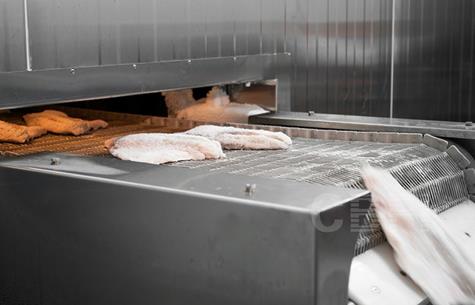
Causas y contramedidas de la congelación desigual en congeladores rápidos
Analysis and Solutions for Uneven Freezing in Quick Freezers
Quick freezers are indispensable equipment in industrial production, widely used in food processing and cold chain logistics. However, many users have found that quick freezers can experience uneven freezing, which affects product quality and production efficiency.
Causes of Uneven Freezing in Quick Freezers
Firstly, one of the causes of uneven freezing in quick freezers is poor circulation of cold air. Inside the quick freezer, cold air is distributed by fans; if air circulation is obstructed, temperature differences in various areas may result in slower freezing for some foods. Additionally, the way food is arranged in the quick freezer can affect cold air flow, leading to uneven freezing in some areas.
Secondly, improper temperature settings in the quick freezer are also an important factor contributing to uneven freezing. If the temperature is set too high or if the temperature control system fails, some foods may not reach the ideal freezing temperature. Moreover, the size, shape, and packaging materials of the food inside the quick freezer can also influence freezing speed.
Lastly, inadequate maintenance and infrequent use of the quick freezer can lead to uneven freezing. A frequently used quick freezer may accumulate excessive frost, which hinders cold air flow efficiency, thereby leading to suboptimal freezing results. Therefore, regular cleaning and maintenance of the equipment is crucial to ensure the proper functioning of the quick freezer.
Solutions and Strategies
To improve the uniformity of freezing in quick freezers, it is essential first to ensure that the air circulation system is functioning properly. Regularly check the fans and air passages to ensure there are no obstructions, while optimizing the arrangement of food to allow cold air to circulate freely within the freezer. For large or irregularly shaped foods, consider freezing in batches or using appropriate trays to enhance the flow of cold air.
Temperature Control
In terms of temperature control, it is recommended that users regularly check the temperature control system of the quick freezer to ensure it accurately reflects the internal temperature. If temperature discrepancies are found, promptly adjust or replace faulty components. Additionally, the temperature settings of the quick freezer should be adjusted according to the specific characteristics of the food; for example, for foods with higher moisture content, a lower temperature can be set to achieve faster freezing.
Maintenance and Care
Maintenance and care are also very important. Establish a regular cleaning and maintenance schedule, including periodic defrosting and cleaning of the interior of the quick freezer to ensure its normal operation. Furthermore, it is advised to keep the quick freezer turned off when not in use to prevent performance issues due to prolonged standby status.
Common Questions and Solutions
- What is the optimal temperature setting for the quick freezer?
To achieve optimal freezing effects, it is recommended to set the quick freezer temperature between -18°C and -30°C. Specific adjustments can be made based on the characteristics of different foods.
- How can the efficiency of cold air circulation in the quick freezer be improved?
Regularly check and clean the fans and air passages of the quick freezer to ensure there are no obstructions. Additionally, arrange food appropriately to avoid excessive stacking.
- How can the performance of the quick freezer be maintained?
Regularly clean the interior of the quick freezer, particularly defrosting, to keep the equipment operating normally. Also, establish a regular maintenance schedule to identify potential faults promptly.
- What types of food can be frozen in a quick freezer?
Quick freezers are suitable for freezing a variety of foods, including seafood, meat, vegetables, fruits, and ready-to-eat meals, effectively preserving food freshness and nutrition.
- What is the difference between quick freezing and refrigeration?
Quick freezing primarily involves rapidly lowering the temperature of food to achieve freezing, maintaining food quality; refrigeration, on the other hand, involves storing food at slightly above 0°C to extend its shelf life.
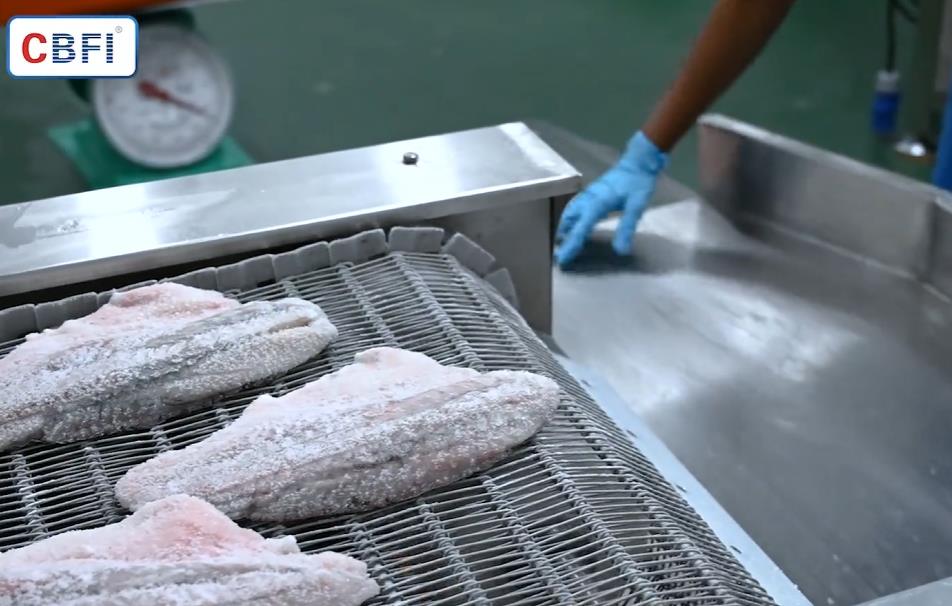
Through this in-depth analysis and solutions, we hope to assist users facing uneven freezing issues in quick freezers and better optimize cold chain management and food processing production.
Complete Guide on Freezing Equipment for Dumplings: Types, Maintenance and Recommendations
Case Study:Implementing Tunnel Quick-Freezing Technology in a Sausage Processing Plant
Related Article