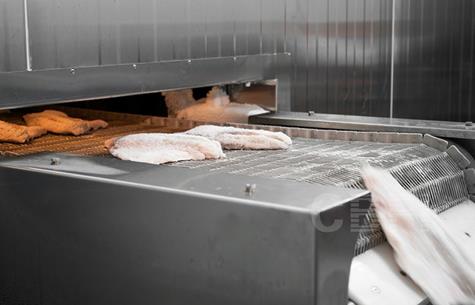
Quick Freezers for Vegetables: Enhance Food Quality & Efficiency
Quick Freezers for Vegetables: Enhance Food Quality & Efficiency
Quick freezers for vegetables play a vital role in preserving food quality while optimizing production processes. These machines are classified into several categories based on their unique functionalities:
- Freezers, Coolers, Quick Freezing Tunnels, and Cold Storage are essential for different stages of food processing, providing tailored solutions to meet specific needs in vegetable freezing and storage.
1. Freezers
Freezers are designed to rapidly freeze fresh vegetables, typically utilizing ammonia or refrigerants for efficient cooling.
2. Quick Freezing Tunnel
The quick freezing tunnel is capable of large-scale continuous freezing of vegetables, significantly enhancing production efficiency and throughput.
3. Cold Storage
Cold storage facilities are essential for maintaining the optimal quality and nutritional content of frozen vegetables over time.

How Does a Quick Freezer for Vegetable Work?
The core functionality of a quick freezer for vegetable equipment lies in the circulation of low-temperature gases that cool vegetables rapidly. Some advanced models utilize liquid nitrogen freezing technology, capable of reducing temperatures to below -18°C in moments. This minimizes ice crystal formation, ensuring vegetables maintain their original texture and nutrients after freezing.
Market Demand and Industry Insights
The increasing demand for frozen vegetables is a direct result of fast-paced lifestyles and the convenience they offer. Recent market data shows that the consumption of frozen vegetables has been growing by over 10% annually. In addition, many restaurants and grocery stores are now turning to frozen vegetables for faster meal preparation and longer shelf life.

Technological Innovations in Quick Freezer for Vegetables
With the ongoing advancements in technology, quick freezers for vegetables have seen significant improvements. Many new models feature intelligent monitoring systems that track operational performance in real-time, helping optimize production. Furthermore, energy-efficient technologies have helped reduce operational costs, making these devices more eco-friendly and cost-effective for businesses.
Future Trends in Quick Freezer for Vegetable Technology
The outlook for quick freezers in the vegetable industry is promising. As consumers become more health-conscious, the demand for frozen vegetables is expected to rise steadily. In parallel, continuous innovations in freezing technology will drive the sector toward smarter, more energy-efficient equipment. Additionally, the expansion of global trade will open up more opportunities for manufacturers and international partnerships in the quick freezing industry.
Guidelines for Purchasing Quick Freezer for Vegetables
When selecting quick freezer for vegetable equipment, businesses should keep the following factors in mind:
- Performance of Equipment: Evaluate the freezing speed and efficiency to ensure it aligns with production goals.
- After-Sales Support: Choose suppliers who offer robust after-sales services, ensuring the equipment operates smoothly in the long term.
- Cost-Effectiveness: Take into account both the initial investment and long-term operational costs, selecting the most economical solution for your needs.

Conclusion
Quick freezers for vegetables are crucial in modern food processing. They not only help maintain the freshness and nutritional value of vegetables but also improve overall production efficiency. With technological innovations and a growing market demand, businesses should stay up-to-date with the latest developments and invest in the right equipment to remain competitive in the evolving industry.
Common Questions and Solutions
1. How do I choose the right quick freezer for vegetable equipment for my company?
Solution: Conduct a thorough market analysis and compare different options based on your production needs, product type, and budget.
2. What are the ideal storage conditions for frozen vegetables?
Solution: Ensure vegetables are stored at temperatures below -18°C and avoid frequent thawing and refreezing to maintain quality.
3. What is the typical maintenance cycle for quick freezers?
Solution: Perform routine checks, with a comprehensive inspection once every quarter to ensure optimal performance and efficiency.
4. What are the advantages and disadvantages of frozen vegetables?
Solution: Advantages include convenience, long shelf life, and retained nutrients, while a disadvantage may be a slight reduction in texture compared to fresh vegetables.
5. How should frozen vegetables be transported?
Solution: Use cold chain logistics to maintain the necessary low temperatures during transportation and prevent thawing.
How to Estimate the Cost of Purchasing a Quick Freezer
How to Select the Best Quick Freezer Brand for Your Needs
Related Article